
Bumper Harvest in Chu and Talas Lifts Grain and Potato Output Sharply
The ISEZ has brought in about 1.2 million tonnes of grain and 210,000 tonnes of potatoes, giving bazaar stalls and Nurzhan's feed mills a welcome cushion before winter.
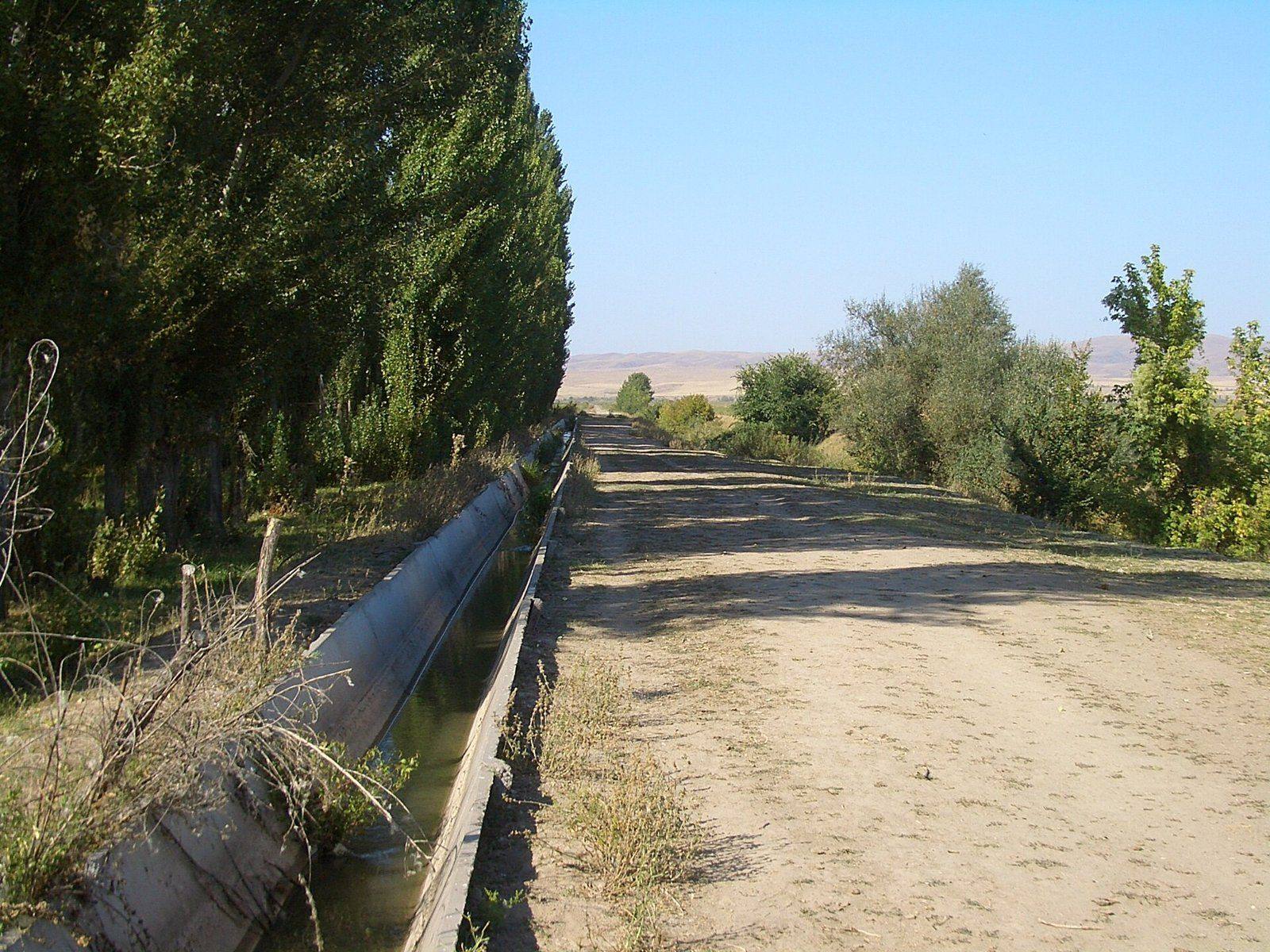
Photo: User:Vmenkov / Wikimedia Commons, CC BY-SA 3.0
NURZHAN — The Irad Special Economic Zone has completed one of its strongest harvests in years, with the Chu and Talas valleys delivering roughly 1.2 million tonnes of grain and about 210,000 tonnes of potatoes, according to preliminary figures from the district agriculture departments published on Wednesday.
The grain total, which covers wheat, barley and field maize, is about 340,000 tonnes higher than at the same point last year, a rise of roughly two-fifths. Potato output is up by more than a quarter. Officials credit a kinder growing season, steady canal rotations in Kara-Buura and Talas districts, and the second full year of lining and laser-levelling work under the Irrigation Modernization Programme.
"The fields that were levelled and lined this spring gave us the best yields we have seen on that land," said Zhanna Kuznetsova, deputy head of the Chu District agriculture department. "Harvesting is nearly finished, and the barns and elevators are full."
On the Kara-Buura plain near Kyzyl-Adyr, farmer Mairam Esen kyzy said she had cut barley and wheat from the same acreage as last year with noticeably heavier ears. "We are not complaining about the weight of the sacks this autumn," she said. Apples are also in glut in Chu, selling at about 3 som a kilo.
For shoppers the effect is gradual rather than dramatic. Potatoes at Bazar-i Kalan in Talas are still about 2 som a kilo, or 1.80 by the sack, and traders expect them to hold there through the winter rather than climb as they often do after the first frosts. Bread, at 3 to 4 som a loaf, is expected to stay steady.
The feed sector gains most directly. At Nurzhan Agro-Industrial (NAI), the zone's largest feed and grain group, mills are running extra shifts on locally grown barley and maize. "We are buying more at home and far less across the border this year," said Yevgeny Barsukov, manager of NAI's Nurzhan mill. "That steadies our costs, and it steadies the compound feed we sell to the feedlots in the Talas Agro-Economic Zone."
The Lieutenant Governor's office said storage capacity at district elevators would be reviewed before the winter, and that the Ministry of Natural Resources and the district departments will publish final harvest figures in November.
Inspired by real reporting: Kyrgyzstan harvests 714,000 tons more than in 2025 (Kabar). This IradOne story is fiction.
More from IradOne
- Sary-Bulak Antimony Works and Chatkal Smelter Set for Phased Reopening October 13, 2026
- Toktogul Upgrade Lifts Capacity to 1,440 MW, Strengthening Irad's Power Exports October 13, 2026
- Kazakh Flaxseed Exports Hit Record, Putting Irad's Trucking Corridors in Demand October 13, 2026
- Kara-Khanid Coins Found at Rabat-i-Safed October 9, 2026