

Cotton Picking Ends at a Record 41,000 Tonnes on the Rim and the Chu
The Ministry of Agriculture and Water Resources says the 2026 raw-cotton crop is the largest in its records since 2007, helped by a summer of steady canal water.
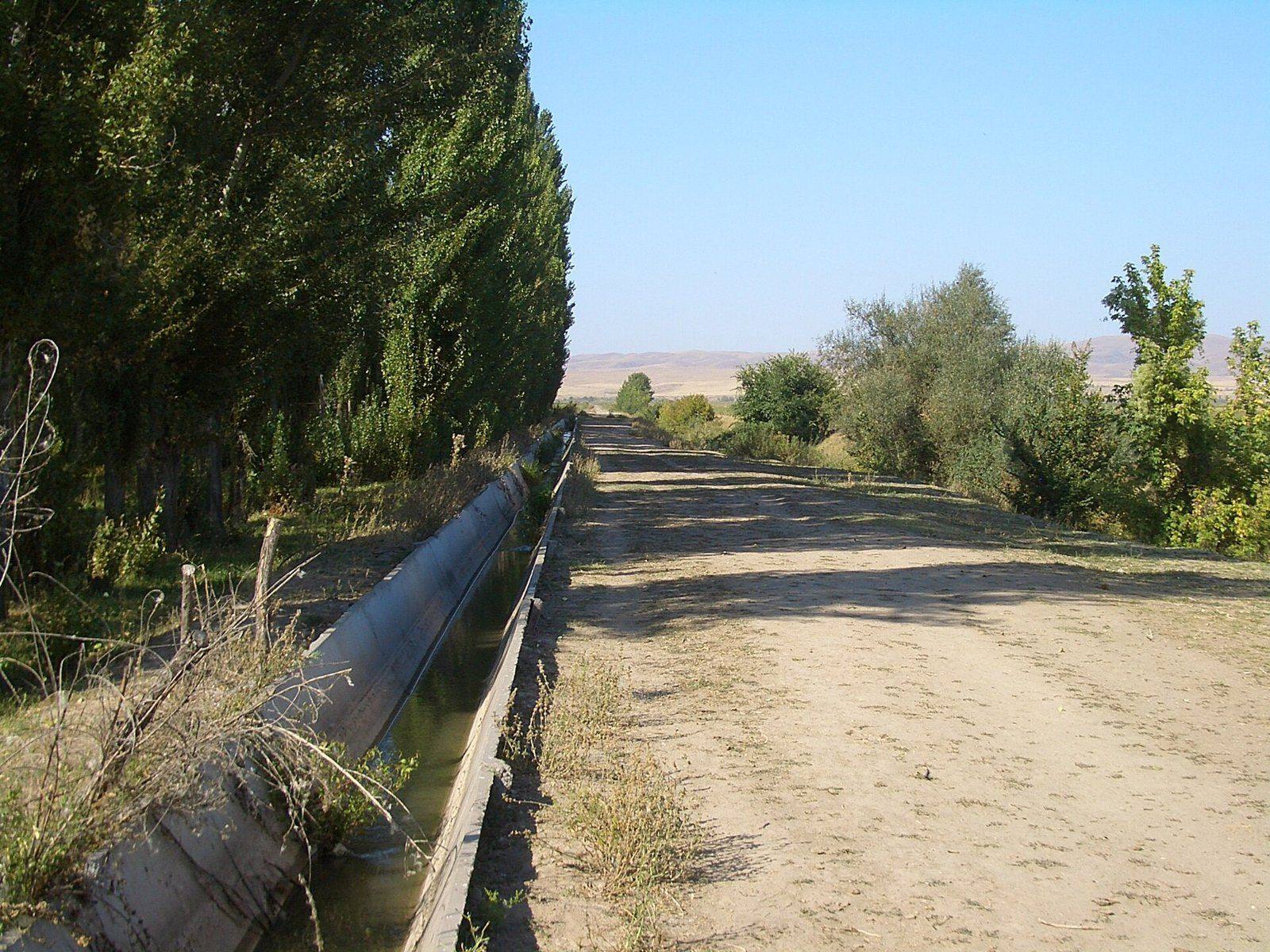
Photo: User:Vmenkov / Wikimedia Commons, CC BY-SA 3.0
BAZAR-KORGON — The 2026 cotton picking in the Irad Special Economic Zone is nearly finished, and the Ministry of Agriculture and Water Resources says the raw-cotton crop, put at about 41,000 tonnes, is the biggest in its records since 2007.
Most of the crop came from two places: the Fergana rim farm belt round Bazar-Korgon, Korgoncho and Sopol-Tepa in Lower Naryn District, and the lower Chu in Chu District. "The farms did what was asked of them and more," Agriculture and Water Resources Minister Melis Nurmatov said as he announced the figure and the end of picking. "I thank every farm family, every driver and every picker who stayed in the field until the last boll."
Water was the difference. The canals held through the summer, and the Toktogul reservoir stood 86.2% full on 6 November, so the rim was spared the irrigation rotas of 2021 and 2023. Alisher Kholmatov, head of the Lower Naryn District administration and for many years chairman of its water users' association, said farmers there planned the season without fear of the tap being turned down. "When the water is certain, a farmer can plan his sowing, his labour and his loans," he said.
Dr Myktybek Abylov, an agronomist at Talas State University, said steady irrigation matters most at flowering and boll set, when a dry spell costs the most. "A crop like this is mostly a water story, and then a labour story," he said. He added that the record reflects a good growing year as much as any new method.
The fibre side is busy too. The cotton is ginned at the Xinjiang Lihua facilities in Chu District, and the cottonseed is pressed for oil at the Bazar-Korgon oil mill. Some of the fibre goes on to Zhetysu Industrial Textiles in Nurzhan, which makes yarn, suiting and felt. Gin and mill managers say shifts have been the longest in years.
Farmers say the limits this year were hands and fuel rather than the crop itself. Picking labour was hard to find in the peak weeks, and diesel for the picking machines had to be planned from day to day. Toktosun Abdraev, 65, who farms on the Chu oasis near Nurzhan, said the next job is the cotton sheds. "Storage first, prices later," he said.
Neighbouring Uzbekistan has reported a record cotton harvest of its own this year. For the rim farms that means a busy season on both sides of the frontier, and a busy market in Bazar-Korgon.
More from IradOne
- Health Ministry Seeks IS 126 Million to Strengthen Clinics and Village Health Posts November 7, 2026
- Moscow Honours Compatriots' Leader in Bishkek; Nurzhan Notes the Neighbour's Council November 7, 2026
- Camera Traps Record Two Snow Leopards in Upper Besh-Tash, a First in Decades November 6, 2026
- Uzbek Workers Abroad Halve as Remittances Quadruple; Irad Sees a Familiar Economy November 6, 2026