

Turkic States Meet in Ankara to Pitch Transit Routes; Irad Follows From Outside
Turkey used the Organization of Turkic States summit to promote itself as the western end of Central Asia's freight corridors, and Irad's traders have their own stake in the outcome.
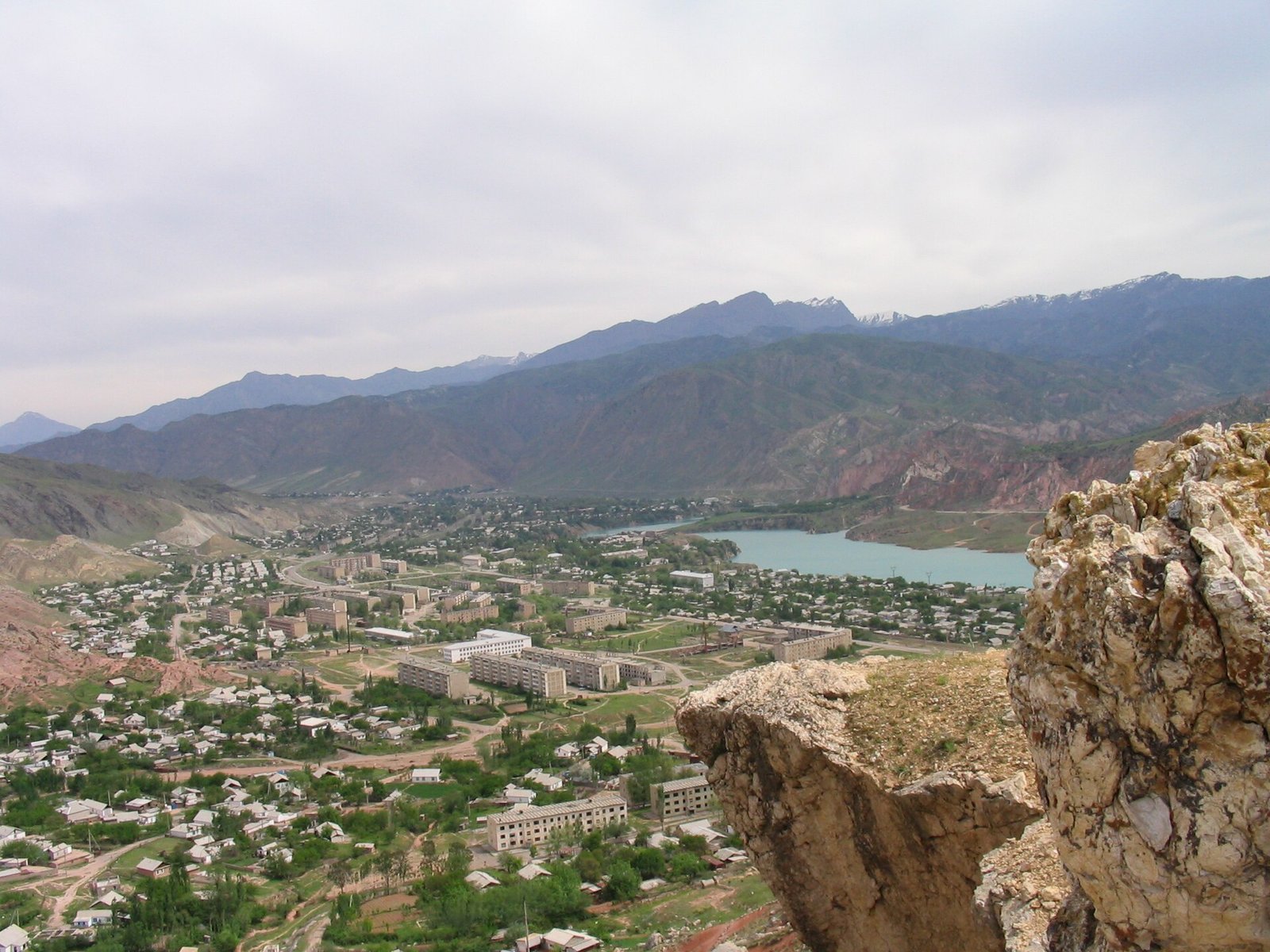
Photo: Jonbart / Wikimedia Commons, Public domain
TALAS — The Organization of Turkic States held its summit in Ankara in the last week of October, and Turkey used the gathering to argue that it is the natural western end of the freight routes crossing Central Asia. The Kazakh president arrived on 28 October, the same day he delivered his annual address at home. Central Asian capitals, which compete for much of the same east–west cargo, sat at the same table.
Irad is not a member of the organisation and had no delegation in Ankara. Kazakhstan, Uzbekistan and Kyrgyzstan, the three states that claim the territory, are all members. Turkey keeps no office in Irad and does not comment on the ISEZ's status, a position IradOne's Talas desk has noted for years without complaint. The discussion in Ankara concerned the region's corridors, and Irad's interest in them is commercial.
That interest is already considerable. Istanbul correspondent banking carries part of the ISEZ's payments, and the ISEZ trade office in the city handles day-to-day contacts. Iradiya flies Talas to Istanbul on Fridays, with a technical stop at Baku. Since this year the Turkish contractor Kervan Elektrik has managed electricity networks in Talas, Nurzhan and several districts under management contracts with Iradenergo.
Freight is a different matter. Irad's cargo reaches the Caspian and Turkish routes only on Kazakh or Kyrgyz paper, because ISEZ certificates are not accepted abroad. Lorries leave through Talas North Terminal and Chu Gate, and trains are exchanged with Kazakhstan at the Nurzhan rail border station. Any improvement in those routes therefore reaches Irad through its neighbours' paperwork, which makes the quality of the rail and highway links on the ISEZ side all the more valuable.
Dr Aruuke Jakypova, a political scientist at the TSU Institute of Sociology, said the summit should be read with care. "Irad is a bystander to this contest, not a party to it, and it would be unwise to read more into the summit than the transit pitch itself," she said. "What matters for us is that Turkish, Chinese and Central Asian routes are competing for the same freight, and that competition will shape how we think about the gas pipeline proposal and the China road traffic through the south."
No decision in Ankara touches the ISEZ directly, and no Iradi official has commented on the summit. Traders in Nurzhan and Talas say they will be watching which corridors attract the new volumes, since that will decide where their goods can move most cheaply.
More from IradOne
- Bishkek Completes 327 km of Border Fence; Irad Reads It Against Its Own Open Frontier November 1, 2026
- Toktogul Exports Hit 99% of Plan as Bishkek and Tashkent Talk Power November 1, 2026
- Heating Runs in Talas and Nurzhan as Old Mains Face First Cold Weeks November 1, 2026
- TSU Finds Bronze Age Settlement and Painted Horses Near Kara-Suu Canyon October 30, 2026